Call Me
+86-18163555935

Selecting the right UAV payload configuration is essential for drone systems that require accurate imaging, target identification, and mission efficiency. Dual-sensor and three-sensor UAV gimbal payloads are two common solutions, but they serve different operational requirements.
A dual-sensor payload usually combines visible and infrared cameras to provide comprehensive imaging capability, while a three-sensor payload adds laser ranging for accurate distance measurement and improved situational awareness.
For UAV manufacturers, system integrators, and professional operators, selecting the right configuration depends on mission objectives, payload limitations, and required sensing functions. Eyoung Technology provides integrated optical payload solutions for UAV, EO/IR, and laser ranging applications.

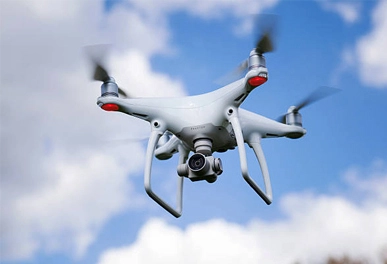
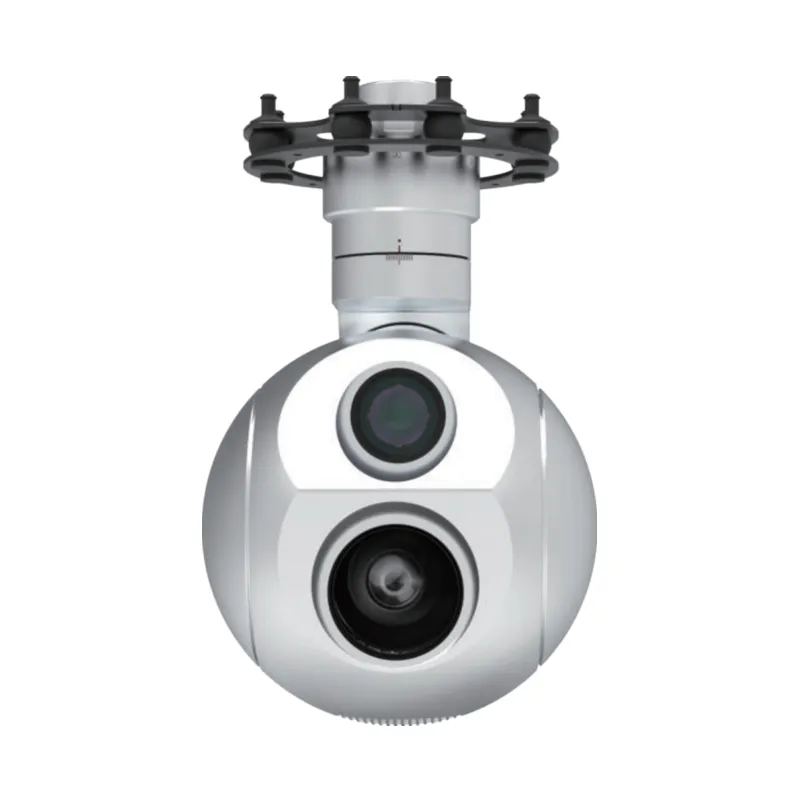
A UAV gimbal payload is an integrated optical system that combines cameras, sensors, and stabilization technology to collect information from aerial platforms. Different sensor combinations allow drones to perform various tasks, from basic inspection to advanced surveillance.
A dual-sensor configuration usually includes a visible camera and an infrared camera. The visible sensor provides detailed images for recognition and analysis, while the thermal camera helps detect heat differences and supports operations in low-light or nighttime environments.
A three-sensor payload adds a laser ranging module to the imaging system. By combining visible imaging, thermal detection, and distance measurement, it provides more complete information for missions requiring accurate target positioning and enhanced operational capability.
The main difference between dual-sensor and three-sensor payloads is whether the mission requires only observation or additional measurement capability.
| Feature | Dual-Sensor Payload | Three-Sensor Payload |
| Visible camera | Available | Available |
| Thermal camera | Available | Available |
| Laser ranging | Not always included | Integrated |
| Payload weight | Lower | Higher |
| Power consumption | Lower | Higher |
| Integration complexity | Simpler | More advanced |
| Typical applications | Inspection, mapping, monitoring | Surveillance, rescue, precision missions |
Dual-sensor systems are often preferred for lightweight UAV platforms because they reduce payload weight and power consumption. Three-sensor solutions are more suitable for professional missions where accurate distance measurement and advanced target analysis are required.
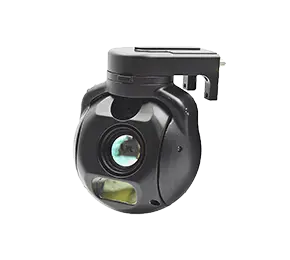
A lightweight EO/IR gimbal is a practical choice for applications where flight time, payload efficiency, and operational flexibility are important.
For infrastructure inspection, agriculture monitoring, and industrial surveying, visible and infrared imaging can provide sufficient information without requiring additional ranging equipment.
The main advantages of lightweight EO/IR systems include:
Reduced payload weight and lower power consumption.
Easier integration with compact UAV platforms.
Longer flight duration for field operations.
However, imaging alone may not provide enough information for missions that require accurate distance measurement. In these cases, integrating laser ranging capability can significantly improve mission performance.
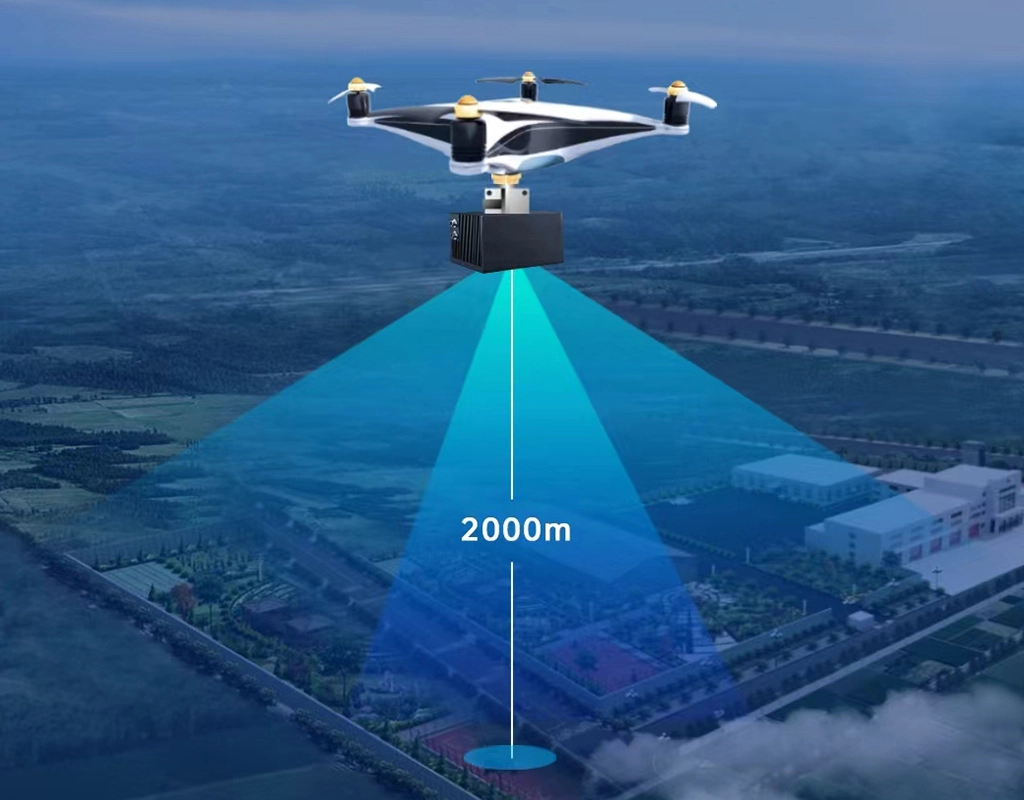
An integrated laser rangefinder expands UAV payload capability by adding precise distance measurement to imaging systems.
For search and rescue, surveillance, and advanced inspection missions, accurate distance information can improve target positioning and support better operational decisions.
A three-sensor UAV gimbal payload combines visible cameras, thermal sensors, and laser ranging technology in one system. This allows operators to identify targets, analyze thermal information, and measure distance simultaneously.
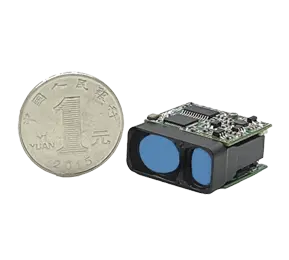
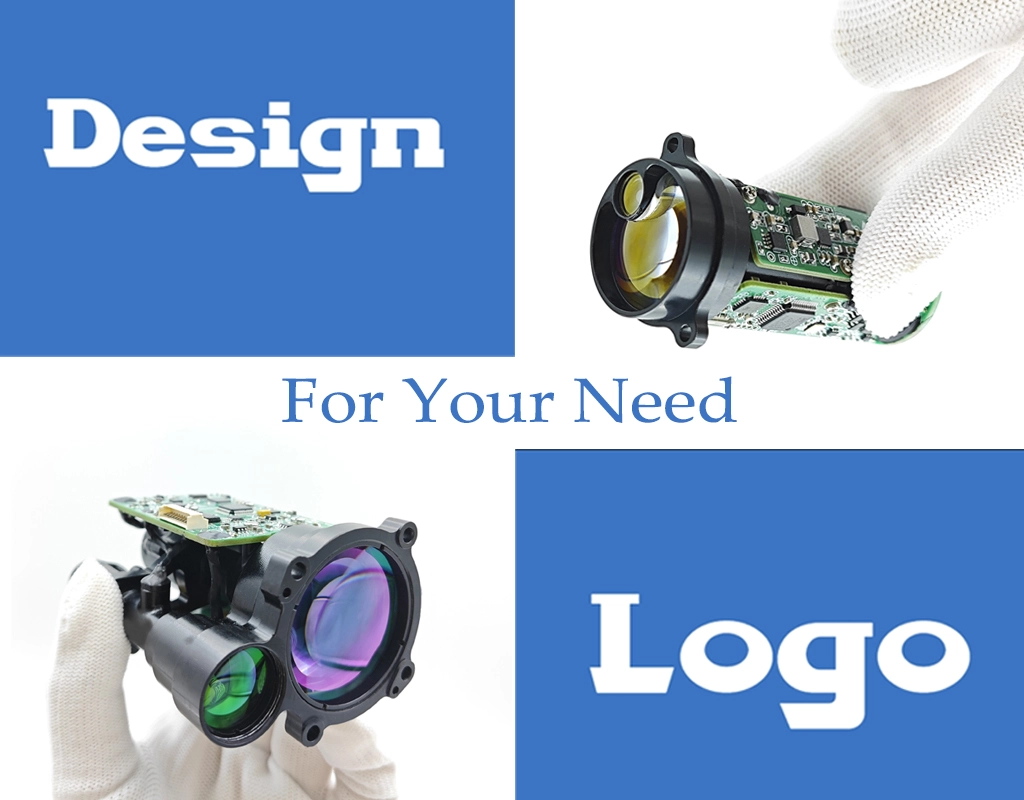
For UAV platforms requiring lightweight integration and reliable ranging performance, a Compact Laser Rangefinder can provide an effective solution for compact optical payload systems.
For longer-range applications, a 1535nm rangefinder can provide improved measurement capability and enhanced eye safety performance, making it suitable for advanced EO/IR platforms, surveillance systems, and professional UAV applications.

Integrating multiple sensors into a UAV platform requires careful evaluation of mechanical design, electrical compatibility, and operational requirements.
Key considerations include:
Payload weight and UAV balance requirements.
Power consumption and battery capacity.
Communication interfaces and stabilization accuracy.
A suitable payload configuration should match the drone platform to maintain flight stability and operational efficiency. Excessive weight or unsuitable power requirements may reduce flight time and affect overall system performance.
For manufacturers developing customized UAV solutions, an OEM Laser Rangefinder Module provides flexibility in sensor configuration, interface design, and mechanical integration.
Eyoung Technology supports UAV developers with customized laser ranging solutions designed for different payload structures and mission requirements.
Different UAV missions require different payload configurations.
For inspection applications, dual-sensor payloads are often sufficient because operators mainly need visible and thermal images to evaluate equipment conditions and identify potential issues.
For search-and-rescue operations, thermal imaging combined with laser ranging can improve target detection and provide more accurate location information, especially in complex environments.
For surveillance and security applications, three-sensor payloads offer stronger capabilities by combining long-range observation, thermal detection, and distance measurement.
The final payload selection should consider mission distance, environmental conditions, UAV size, and future expansion requirements.
Dual-sensor and three-sensor UAV gimbal payloads provide different solutions for aerial missions. Dual-sensor systems offer lightweight and efficient imaging performance, while three-sensor configurations add laser ranging capability for more advanced applications. By evaluating payload weight, power requirements, integration needs, and mission objectives, UAV developers can select the most suitable configuration. Eyoung Technology helps customers develop reliable EO/IR and laser ranging solutions for modern UAV platforms.
A dual-sensor payload usually includes visible and infrared cameras, while a three-sensor payload adds laser ranging capability.
Yes. They are widely used for inspection, mapping, and monitoring applications where lightweight design is important.
Laser ranging provides accurate distance measurement, improving target positioning and mission accuracy.
Search and rescue, surveillance, and precision observation missions often benefit from three-sensor configurations.
Yes. Professional suppliers can customize sensor combinations, interfaces, and mechanical structures according to project requirements.
The selection depends on mission requirements, UAV capacity, required sensors, and system integration conditions.