Call Me
+86-18163555935

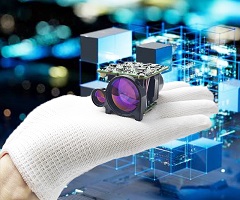
Laser rangefinders are essential tools in various fields, including surveying, military operations, and industrial applications. However, users may occasionally encounter issues with measurement accuracy. Below, we explore the common causes of poor accuracy and provide practical troubleshooting solutions.

Issue: If the target has an unusually high reflectivity, it can cause significant deviations in the measured distance.
Diagnosis: Confirm whether the test target is highly reflective. If the accuracy improves after switching to a standard target, the issue is likely due to reflectivity bias.
Solution: Replace the target with one that has appropriate reflectivity. Avoid using highly reflective targets for testing.
Issue: Inaccurate measurements may occur if the laser beam is not properly aligned with the target.
Diagnosis: Check whether the device is correctly aimed at the target. If the accuracy improves after realignment, the problem is likely due to improper aiming.
Solution: Re-aim the device carefully to ensure precise targeting.
Issue: The rangefinder may provide inaccurate readings if the calibration is incorrect or outdated.
Diagnosis: Verify the calibration accuracy of the instrument. If replacing it with a properly calibrated device resolves the issue, the problem lies in the calibration.
Solution: Recalibrate the device or replace it with a correctly calibrated one.
Issue: If the aperture’s transmittance is too low, the rangefinder may return excessively large distance values.
Diagnosis: Test the device without the aperture. If the readings return to normal, the aperture is likely the cause.
Solution: Replace the aperture according to the recommended specifications and installation guidelines.
Poor accuracy in laser rangefinders can stem from multiple factors, including target reflectivity, operator error, calibration issues, and aperture performance. By systematically diagnosing and addressing these issues, users can restore optimal functionality. Always ensure proper target selection, precise aiming, regular calibration checks, and correct aperture usage for reliable measurements.
For further assistance, consult the device manual or contact technical support. Happy measuring!